


Swiss Alpine cuisine is a “culinary time capsule” that reflects the resourcefulness required for high-altitude living. Historically, dishes were designed to be high-calorie and made from shelf-stable ingredients like potatoes, flour, and cured meats to sustain mountain laborers through long winters.

A pot of bubbling hot cheese, bread for dipping –– fondue is one of those foods that’s incredibly easy to fall in love with. Just ask Natalie Horwath. While living abroad in Switzerland, the San Francisco Bay Area pastry chef found herself drawn to the lively environment of the fondue restaurants she frequented, as well as the simplicity of the meal. “It just became my favorite thing,” says Horwath. Horwath has worked at some of the Bay Area’s most beloved European-inspired bakeries (20th Century Cafe and Kantine), as well as running her own Swiss-influenced pastry shop, Berner Rosen Baking. In Switzerland, she also worked at a couple of bakeries in Geneva, which focused on bread-making.

The rich flora of the Valais mountains and alpine regions, the Mediterranean climate, and the traditional production methods give Raclette du Valais AOP its uniquely fresh and spicy flavor. Raclette du Valais AOP is a semi-hard, full-fat raw milk cheese.
Legend has it that Léon, a Valais winegrower, invented raclette. On a cold day, Léon warmed a piece of cheese over an open wood fire and enjoyed the melted cheese. Thus, the quintessential Valais dish was born. A dish that has since caused a sensation far beyond the borders of the region.

Zürcher Geschnetzeltes is a classic Swiss dish from Zurich, featuring thinly sliced veal sautéed and simmered in a creamy white wine and mushroom sauce, traditionally served with Rösti (Swiss hash browns). The name means “Zurich-style sliced meat,” and it’s known for its rich, delicate flavor, often finished with a squeeze of lemon and fresh parsley.

Rösti (or Rosti) is a classic Swiss Alpine dish consisting of coarsely grated, pan-fried potatoes that are crispy on the outside and soft inside. Originating as a Bernese farmers’ breakfast, it is now a staple Swiss national dish. It is often topped with cheese, fried eggs, or bacon.

The Berner Platte (English: Bernese plate) is a traditional meat dish of Bernese cuisine in Switzerland. It consists of various meat and sausage varieties such as smoked pork and beef, pork belly, sausage, bacon and pork ears or tails cooked with juniper-flavored sauerkraut, and other foods, such as potatoes and green and/or dried beans, which are served on a large plate.
The Berner Platte is not a stew; rather, the different meat ingredients and side dishes are each separately prepared or cooked. Berner Platte dishes are sometimes served within the context of a buffet.
Kåseschnitte Smisa Alpina Choase

This alpine-style Käseschnitte (cheese on toast) recipe, often served in Swiss mountain huts, is a simple, indulgent baked dish. It features crusty bread soaked in white wine, topped with ham and a generous amount of melting cheese (like Gruyère or Raclette).

My mother is the absolute queen when it comes to stew, hers are simply best! She knows how to combine the right spices and herbs, how to cook the meat so that it becomes tender and succulent. Whenever she makes a ragout it’s simply perfect! We also made Spaetzle as nothing beats these little homemade Swabian noodles to soak up an aromatic sauce. Our side dish was sweet and fruity, an apple gratin topped with crème fraîche. My mother found the inspiration for this recipe from one of her favourite food journalists, she just added lemon zest and pink peppercorns on top. It was wonderful, like the whole trip!
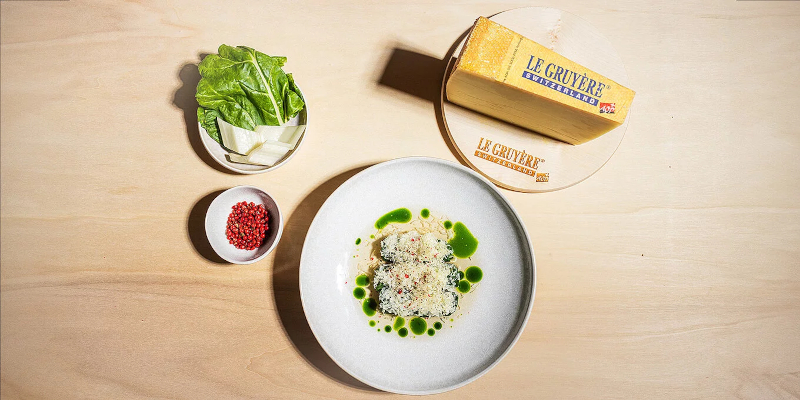
Capuns are a traditional Swiss dumpling from the Graubünden region, made by wrapping a savory dough (often Spätzle-like) with cured meat in blanched Swiss chard leaves, then simmering them in a creamy broth and serving with cheese and fried bacon. They are a hearty peasant dish, with many family variations, but the core components are the chard wrapper, a rich filling, and a flavorful sauce.

Pizokel are rustic, chubby pasta dumplings from the Graubünden region of Switzerland, similar to Spätzli but often larger and sometimes made with buckwheat flour or grated potatoes. They are made from a simple dough of flour, eggs, and milk, and are traditionally scraped or cut from a wet board directly into boiling water. Pizokel are served in many variations, often with melted butter, fried onions, bacon, cheese, or sautéed vegetables like cabbage or spinach.

Alpine macaroni (älplermagronen or alpen macaroni) is essentially Swiss mac and cheese with potatoes. Macaroni and cubed potatoes collectively drown in a decadent cheese sauce! This fall and winter cozy classic is topped with caramelized onions and crispy bacon lardons, and is served with a side of applesauce.
Macaroni and cheese go together like, well, macaroni and cheese. It’s one of the world’s most beloved ingredient combinations. It comes in all shapes and sizes, with so many variations from cooking technique to mix-ins and more. This hearty Swiss mac and cheese is particularly exquisite.

Polenta Ticinese is a traditional, creamy, or firm, coarsely ground yellow cornmeal porridge originating from Switzerland’s Italian-speaking canton of Ticino. Cooked slowly over a fire, it is often served as a staple side dish with cheese, stews, or braised meats, or cooled and grilled.
It is a rustic, hearty cornmeal mush, similar to northern Italian polenta, often made with locally produced corn. Traditionally cooked in a copper cauldron over an open fire, requiring slow cooking (often over an hour) and constant stirring. It can be served “cremosa” (soft and creamy) or allowed to firm up in a pan to be sliced, grilled, or fried. It is frequently accompanied by alpine cheeses, mortadella, braised meats, mushrooms, or stews. It is a specialty in the “grotti” (rustic restaurants) of the Ticino region.

Swiss Baked Trout is a classic dish that typically features fresh trout fillets topped with a mixture of Swiss cheese, mushrooms, and white wine.
Trout fillets, grated Swiss cheese, mushrooms, onions, and dry white wine or vermouth. The fish is usually seasoned and baked first with aromatics like onions and mushrooms. A combination of Swiss cheese and breadcrumbs is added halfway through baking to create a golden, melted crust.

Valais Saffron Risotto is a luxurious Swiss dish highlighting rare, locally grown Mund Saffron (AOP). Typically, this creamy risotto combines risotto rice (such as Carnaroli) with sautéed onions, white wine, vegetable or meat stock, and is finished with butter, parmesan, and sometimes leeks or cream. It is a creamy, golden-hued delicacy, often reflecting the alpine region’s culinary traditions.
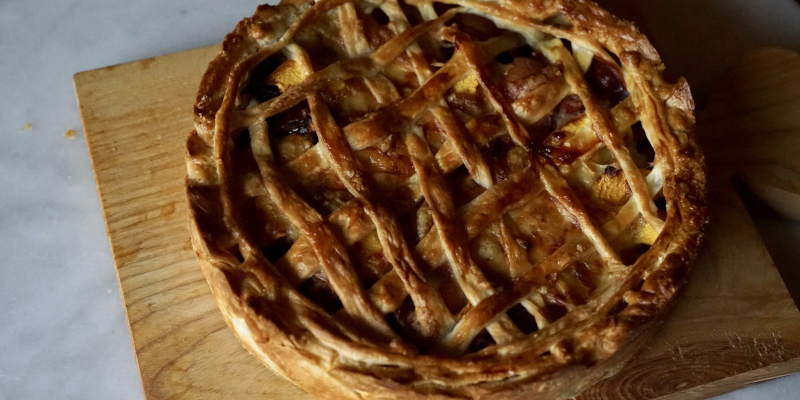
Cholera (or Walliser Cholera) is a traditional, hearty savory pie from the Swiss canton of Valais, dating back to the 1830s cholera epidemics. It is a “leftover” dish, traditionally filled with layers of apples/pears, potatoes, onions, leeks, bacon, and melted raclette cheese. It is usually baked in puff or shortcrust pastry and served warm.

For my seventh birthday, my father gave me a beautiful hand-drawn treasure map. It detailed all of the best places to go hunting and fishing in the area, and this included where to forage for the best mushrooms. I would return home with my treasure and, if I had gathered enough, Maman Blanc would cook his delicious mushroom fricassee.
Lamb from the Alps Apne sudes pres-sales

Agneau de pré-salé (salt-meadow lamb) is a premium French delicacy raised on tidal salt marshes (notably Normandy/Mont Saint-Michel), offering a distinctively savory flavor. These lambs graze on salt-tolerant grasses, resulting in high-quality meat with a natural seasoning, frequently sold in specialized, high-end cuts.

Traveler and Chef